Business Performance Evaluation and Market Forecasting: 585554303, 914904040, 374945100, 4808456358, 917283690, 923285104

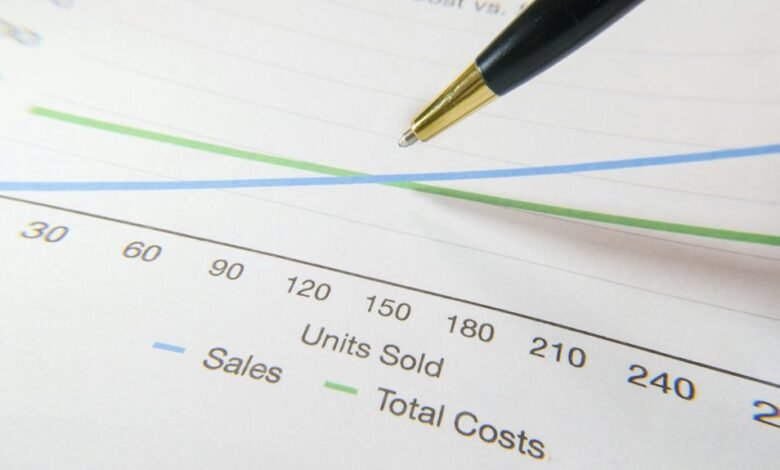
Business performance evaluation and market forecasting are critical components of strategic management. They enable organizations to assess their operational effectiveness and predict future market dynamics. By analyzing performance metrics, businesses can pinpoint their competitive advantages and areas needing improvement. Meanwhile, forecasting models offer insights into emerging trends and consumer behavior. Understanding these elements could significantly enhance decision-making processes, yet many organizations struggle with effective implementation. What challenges do they face in achieving these goals?
Understanding Performance Metrics in Business
Understanding performance metrics in business is crucial for effective decision-making and strategic planning.
Performance indicators serve as quantitative benchmarks that guide organizations in assessing operational efficiency and profitability.


Through rigorous metric analysis, businesses can identify strengths, weaknesses, and opportunities for growth.
This data-driven approach empowers stakeholders, fostering a culture of transparency and adaptability, which is essential for achieving long-term success and operational freedom.
The Role of Forecasting Models
Although various methods exist for analyzing business performance, forecasting models play a pivotal role in predicting future market trends and shaping strategic initiatives.
These models integrate qualitative analysis with quantitative predictions, allowing businesses to anticipate shifts in consumer behavior and market dynamics.
Case Studies: Real-World Applications
Case studies reveal the impactful application of forecasting models across various industries, showcasing their significance in real-world scenarios.
By analyzing market trends, firms can align their strategies with performance benchmarks, leading to improved decision-making.
For instance, retail and manufacturing sectors have successfully leveraged these models to enhance operational efficiencies, ultimately resulting in heightened competitiveness and adaptability in dynamic market environments.
Strategies for Implementation and Continuous Improvement
Successful implementation of forecasting models requires a systematic approach that integrates best practices and a commitment to continuous improvement.
Organizations must emphasize performance enhancement through regular assessments and feedback loops.
Process optimization plays a crucial role, ensuring that methodologies remain agile and responsive to market changes.
Conclusion
In conclusion, the integration of performance evaluation and market forecasting emerges as a pivotal strategy for businesses navigating an unpredictable landscape. As organizations uncover their strengths and address weaknesses, the anticipation of market trends becomes crucial. Yet, the question remains: will they adapt swiftly enough to stay ahead? This continuous cycle of assessment and adaptation holds the key to enduring success, leaving organizations poised on the brink of transformation as they embrace the challenges of tomorrow.