Leaks Only During Wind-Driven Rain? The Step-Flashing Failure That Stays Hidden Until the Next Storm

It is a frustrating cycle that many homeowners know too well. The sky turns gray, the wind picks up, and suddenly a persistent drip comes from the ceiling near a wall or a chimney. You call in expert roof repair technicians to take a look, but by the time they arrive on a sunny afternoon, the leak has vanished. These phantom leaks are rarely about a roof reaching the end of its life. Instead, they usually point toward a specific architectural vulnerability that only fails when the weather gets aggressive.
The Mystery of the Sideways Rain
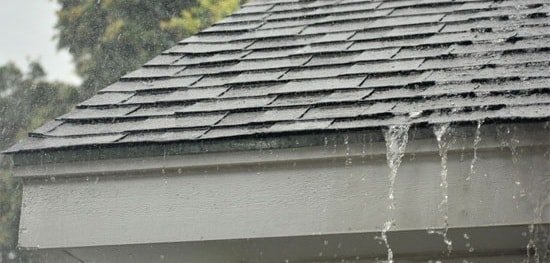
Most roofs are designed to shed water downward using gravity. Shingles overlap like scales on a fish, ensuring that as long as water flows toward the gutters, the interior stays dry. However, wind-driven rain changes the physics of the situation. When gusts hit a roof at high speeds, water is no longer just falling; it is being pushed horizontally and sometimes even upward.
This is where step-flashing comes into play. Flashing consists of those L-shaped metal pieces tucked into the spots where the roof deck meets a vertical wall or chimney. Under normal conditions, they work perfectly. But if the flashing was installed with slight gaps, or if the sealant has pulled away over time, wind can force water behind the metal. Because this only happens during storms with specific wind directions, the problem can remain hidden for months, leading a homeowner to believe the issue has magically resolved itself until the next big front moves through.


Why Step-Flashing Fails Silently
The tricky thing about flashing failures is that they often look pleasing to the untrained eye. From the ground, everything seems tucked in and secure. Up close, however, the story changes. A common culprit is “nailing too high,” where the fastener holding the flashing piece is located in a spot that allows the metal to warp or lift under pressure.
Another issue is the transition point where the roof meets the siding. If the siding is installed too tightly against the roof deck, it can trap debris like pine needles and leaves. This organic matter acts like a sponge, holding moisture against the flashing and eventually causing the metal to rust or the wood behind it to rot. When the wind howls, it pushes water into these saturated gaps, allowing it to bypass the shingles and enter the attic.
The Dangers of the “Wait and See” Approach
Because these leaks are intermittent, it is easy to put off a fix. You tell yourself that it only happens once or twice a year, so it cannot be that bad. Unfortunately, water is patient. Every time that wind-driven rain finds its way behind the flashing, it saturates the insulation and the wooden framing of your home.
Even if you do not see a puddle on the floor, the moisture trapped in the wall cavity can lead to mold growth and structural decay. By the time a visible stain appears on your drywall, the internal damage has likely been ongoing for some time. The “hidden” nature of these leaks actually makes them more dangerous than a gaping hole in the roof because they do not trigger an immediate sense of urgency.
Diagnosis Over Replacement
When people see a leak, their first fear is usually the cost of a brand-new roof. They imagine thousands of dollars disappearing as a crew tears off every shingle. The good news is that wind-driven leaks are almost always surgical rather than systemic. You do not need a whole new roof; you need a targeted roof repair that addresses the specific points of entry.
A proper inspection should be focused and methodical. It is not enough to just glance at the shingles. A technician needs to check the vent flashing and the rubber boots around pipes, as these are prime suspects for wind-driven failures. They need to look for loose fasteners that might be “backing out” and creating tiny holes that only swallow water when the wind is just right. Often, the solution involves removing a few courses of shingles, properly resetting the flashing, and ensuring the waterproof membrane beneath is intact.
The Importance of a Targeted Inspection
Finding the source of a phantom leak requires a bit of detective work. Since you cannot always wait for a storm to reveal where the water is coming from, a targeted inspection is the only way to get answers. A pro will look for “tracking” marks: dried water stains on the underside of the roof deck or rust marks on nails in the attic.
By isolating the vent flashing, the surrounding shingles, and the fasteners, a technician can pinpoint the exact failure. It might be a cracked chimney crown or a piece of step-flashing that was never properly integrated with the house wrap. Once identified, the fix is usually straightforward and much more affordable than a total replacement.
Final Word
Getting ahead of a wind-driven leak is the best way to protect your home’s value and your own peace of mind. Instead of dreading the next forecast, you can rest easy knowing that your flashing is tight and your seals are secure. It takes an experienced eye to find what the wind reveals, so reaching out to expert roof repair technicians is the most brilliant move to ensure your home stays dry through every season.