Your garage door shouldn’t sound like a rusty freight train every time you open it. Strange grinding noises, visible sagging, or a door that takes forever to respond are all warning signs that tell something’s about to go wrong with your automatic garage door.
On top of that, ignoring these early signals can cost you a complete failure at the worst possible time. Because what starts as a minor, annoying sound can quickly convert into an expensive emergency garage door installation in Brisbane (and trust us, nobody wants to pay the bill).
In this guide, we’ll walk you through the specific warning signs that tell you your garage door is failing. So, you’ll learn which noises mean trouble, what visual clues to watch for, and when slow operation points to bigger problems.
Let’s get into it.
Strange Noises That Signal Trouble Ahead
Remember, each noise your garage doors make points to specific problems, and catching them early can save you from expensive garage door repair down the track.
Let’s have a look at what each sound means in the garage door failure context.
Grinding Sounds From Your Automatic Garage Door Opener
Grinding noise coming from your opener usually means the gears inside the motor are wearing down. This metal-on-metal sound gets louder over time as the parts continue breaking down.
Frankly, most people ignore this sound until the opener stops working completely. In our 15+ years of servicing garage doors around Brisbane, we’ve seen this exact pattern repeat hundreds of times.
So, if you catch it early, replacing the gear assembly costs a few hundred dollars. But waiting too long may end up requiring a full opener replacement.
Squealing When Opening or Closing
High-pitched squealing comes from your rollers, hinges, or springs when they need lubrication or replacement. The sound starts quietly but becomes unbearable as the friction increases between moving parts.
This happens a lot with roller doors and tilt doors because they have more contact points. You can sometimes fix this with proper maintenance and lubricating the right spots.
Other times, the rollers are so worn that they’ve damaged the tracks and need replacing before things get worse.
Rattling Along the Door Tracks
Loose hardware, like bolts, brackets, or track mounts, causes an annoying rattling sound. It also creates a vibration during operation, which indicates something isn’t secured properly to the frame (and yeah, we’ve seen doors that look like they’re doing yoga poses).
Gradually, small rattles can become bigger structural problems if you leave them unchecked. Most professional garage door installers can tighten everything up and make sure your door operates smoothly again.
Quick tip: If the rattling continues after repairs, it might signal that your panels are warping or the tracks are misaligned.
Visual Clues Your Garage Door Is Struggling
The best part about visual inspections is that you can spot problems before they become expensive emergencies. Remember, a quick walk around your garage door takes two minutes but can save you thousands in repairs.
Here’s what to look for when walking around your garage door:
Sagging Sections Along the Door
Door panels that sag or bend mean your spring tension is off. You’ll also notice uneven gaps here when the door is halfway open, like one side hangs lower than the other.
This puts extra strain on your automatic garage door opener motor because it’s working harder to lift an unbalanced load.
And that’s where things get disappointing. Once the springs lose their tension, the entire door system starts failing faster. Furthermore, the motor burns out, the panels warp more, and smooth operation becomes impossible.
Gaps Between Panels or the Frame
If you see visible daylight through the gaps of your door, it means your seals are failing, or the panels have shifted.
These gaps let Brisbane’s heat, rain, and pests straight into your garage space. So, your property loses security, and house value too.
Generally, this issue occurs when the tracks are misaligned or the mounting brackets have loosened.
For your information, both sectional garage doors and sectional doors are especially prone to this because they have multiple panels that need to stay aligned.
Visible Rust and Cable Damage
Rust on springs, cables, or tracks weakens the metal and causes breakage. On top of that, Brisbane’s humidity accelerates rust formation on older garage door components faster, especially on roller doors and timber frames.
Meanwhile, frayed cables are extremely dangerous and can snap without warning. When this happens, the door drops fast and can seriously injure someone or damage your car in the driveway.
Pro tip: Regular maintenance catches rust early before it compromises the springs. If you’re already seeing rust patches or frayed cables, call an installer to assess whether you need repairs.
When Slow Operation Means You Need Garage Door Service
Your garage door should open in 12 to 15 seconds. Anything slower than this means the motor or springs are struggling.
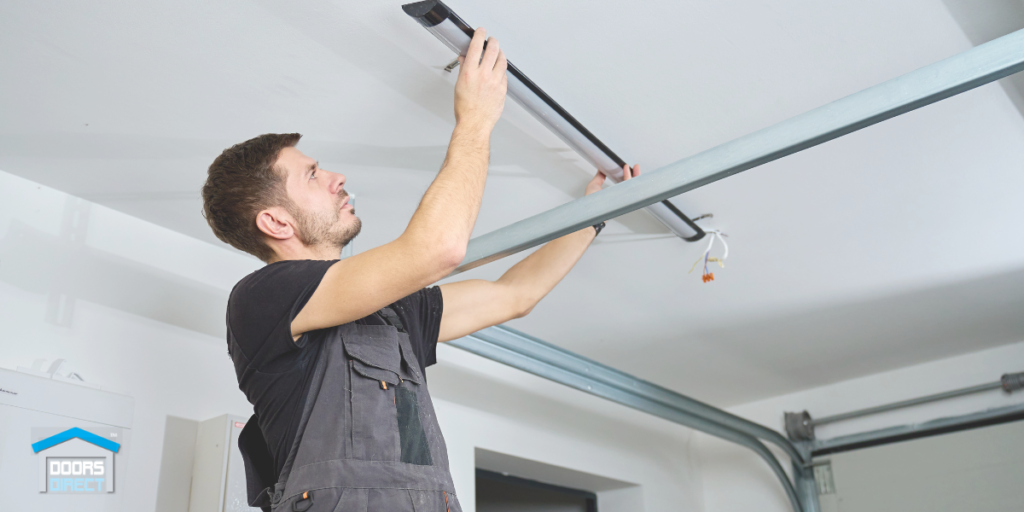
Here are the most common signs that slow operation means bigger problems:
- Hesitation or Jerky Movement: The door opens a bit, stops, then continues in an uneven pattern. This usually points to failing safety sensors or motor issues that need professional attention.
- Slow Response to Your Remote: You press the button three times before the door finally moves. This means electrical problems inside the opener or the system need a proper checkup from garage door service professionals.
- Uneven Speed During Operation: Your door might shoot up quickly, then slow down, or creep along at the start, then speed up halfway. Sometimes, uneven springs wear over time and create this exact problem.
- Audible Strain from the Opener: Grinding or labouring sound indicates the motor is working way harder than it should, and something’s blocking its smooth operation.
Now, you might be wondering when to call someone or wait it out.
Well, here’s the truth: slow operation always gets worse, never better. So, call an installer to check before your morning routine includes being late because the garage door won’t cooperate.
See also: Why Professional Basement Finishing Increases Home Resale Value
Why Small Problems Affect Your Overall Garage Door Cost
Small problems affect your overall garage door cost when they multiply into bigger ones. Because one failing component puts stress on everything else in the system, and what starts as a $200 repair can convert into a $3,000 replacement.
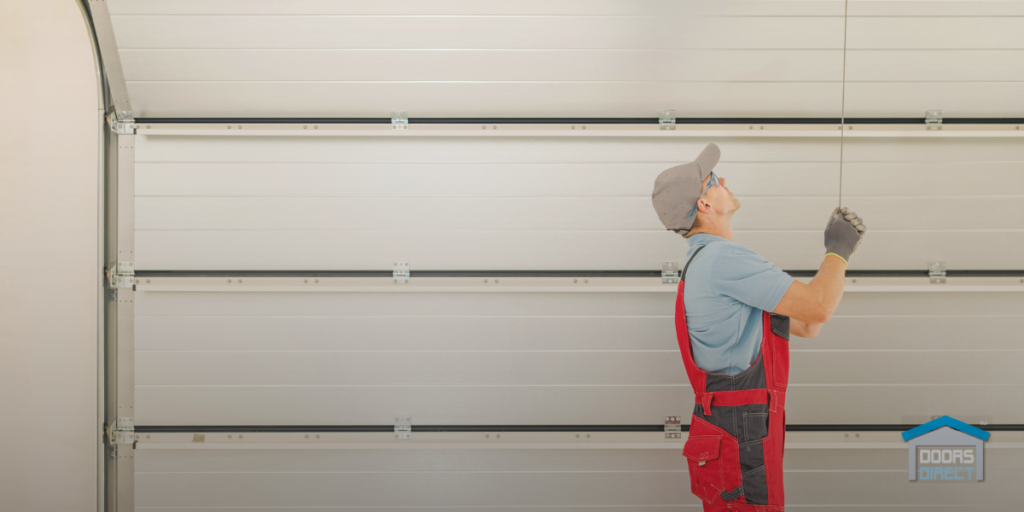
Believe it or not, waiting until complete failure means you have to install a full garage door for thousands more. For instance, a damaged opener can wreck the tracks, panels, and other components over time because everything’s connected in the system.
On top of that, emergency repairs and urgent installations always cost more than day-to-day labour costs. Besides, professional installation during regular business hours runs cheaper than weekend or after-hours callouts when your door won’t close.
However, the installation process for a new garage door takes longer and costs significantly more than fixing your old door early. That’s because a new garage door installation involves removing the old door, prepping the space, installing new panels, setting up the opener, and making sure everything works correctly (a lot of work, right?).
Before everything gets more complicated, fix the small issues now. Otherwise, pay for a complete replacement later. And don’t forget the cost difference between a $300 repair and a $3,000 new door isn’t worth ignoring.
Things to Do When You Spot These Warning Signs
Once you notice any of these warning signs, taking quick action prevents small issues from becoming complete failures.
Let’s have a look at exactly what you should do based on what you’re seeing:
| Warning Sign | Immediate Action | Professional Help Needed? |
| Strange noises (grinding, squealing, rattling) | Stop using the door and disconnect the automatic opener | Yes, contact local garage door installers for inspection |
| Visible sagging or gaps between panels | Check if the door still opens safely, and measure the gap size | Yes, spring tension or track alignment needs a professional assessment |
| Slow operation or uneven movement | Test the safety sensors and check for obstructions in the clear space | Yes, motor or spring issues require proper tools and expertise |
| Rust or frayed cables | Do not operate the door at all because cables under tension are dangerous | Yes, immediately! Cable replacement is not a DIY job |
| The door isn’t responding to the remote | Replace remote batteries first, then check the opener’s power source | Maybe! Try basic troubleshooting before calling for service |
Bottom line: Most garage door problems need professional attention because springs and cables are under extreme tension. So, call experienced installers who have the proper tools because your safety is more important than saving a few dollars on DIY attempts.
Don’t Wait Until Your Door Fails Completely
Your garage door gives you plenty of warning before it fails. For instance, strange noises, visible damage, and slow operation are all signs that something needs attention now, not later.
Catching these problems early saves you money and keeps your property secure. Besides, a simple repair today beats an emergency replacement when your door stops working completely.
If you’ve spotted any of these warning signs around your home, Doors Direct can help. Our team has been installing and repairing garage doors across Brisbane since 2008, and we know exactly what to look for.
Get in touch for a professional assessment before small problems convert into expensive emergencies.